

Over the course of the last few years, One Future Collective has worked with mission-driven global organisations eager to strengthen their commitment to safeguarding practices. From humanitarian crises to migrant labour movements and climate change interventions, we’ve seen a common thread: safeguarding must move beyond compliance to become part of organisational culture.
What are the challenges?
The challenges to mainstream safeguarding are several. First, there is limited knowledge of what safeguarding looks like practically, beyond written policy within the organisation. Second, safeguarding is generally understood narrowly, only relevant for individuals below the age of 18, leaving adults at risk of safeguarding violations as a result of their gender, religion, nationality, disabilities and other vulnerabilities. Third, there is very minimal uptake from those for whom safeguarding infrastructures are set up for fear of retaliation and lack of knowledge about how to access these systems.
What are we learning about safeguarding from our experiences?
Through our partnerships, several lessons have stood out consistently across contexts:
- Intersectional Risk Assessment and response is crucial
Exposure to risk is intertwined with our individual and community identities, access to resources, and ability to access safeguarding protocols. This involves identifying risks which are likely to affect your core target groups and ensuring that your safeguarding ecosystem is suited to the reality of the risk that they are most vulnerable to.
While deep-diving into inclusive safeguarding, in collaboration with International Council for Voluntary Agencies (ICVA), we explored the need to make all safeguarding processes and policies disability-inclusive, serving the needs of a wide range of community members that ICVA as well as their member organisations are likely to engage with. This included ensuring that the risks being identified were informed by the demographics that were being impacted; policies case management and reporting processes were disability-inclusive; and that sufficient platforms existed to invite accessibility needs to be expressed.
- Capacity building of the entire team, not just leadership
Even though the function of developing relevant safeguarding policies, budgeting for its implementation, and management of implementation may rest with organisational management, it is important to ensure that all staff members, particularly those who are involved in programme implementation and therefore engaged with local communities, are trained in safeguarding best practices.
For instance, in our collaboration with The Shift, even though we directly trained their safeguarding task force alone, a crucial element of this process was ensuring that these learnings were also cascaded to their programmatic teams and staff members so they could identify early-warning signs, reporting procedures, and trauma informed interventions to prepare them for strategic interventions.
- Focus on dissemination to normalise reporting
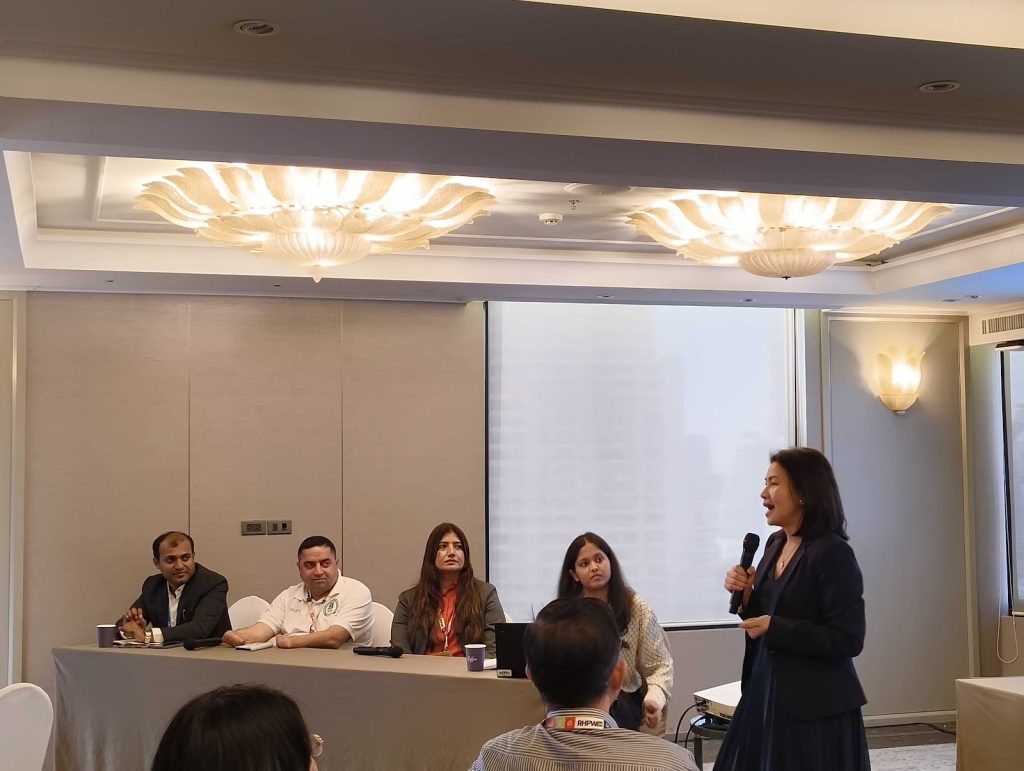
Our partners reported that even though policies and processes existed, they realised that their uptake within target groups was consistently poor. Reasons for this include fear of retaliation, lack of awareness, and a lack of trust within these procedures. It is important therefore that through routine reporting, regular dissemination exercises, and integration in internal and external communications across the organisation are prioritised.
This was one of the core challenges which emerged during our partnership with Migration Dristi where high levels of hesitation amongst migrant workers was reported. To address this, we recommended integration of safeguarding as a core component of the onboarding process, open and regular communication about the rights, policies, and processes available to the workers, and on-going support channels available to them even after recruitment in third-party companies was completed.
“OFC has provided an exceptional experience in organizational development, enhancing safeguarding measures and practices. Their team provided practical insights, empowering organizations to create comprehensive safeguarding policies.” – Bishal Tamang, Migration Dristi
- Building networks and relationships with other stakeholders
Often, partner organisations expressed concerns about safeguarding violations that their local communities were vulnerable to, outside their engagement with the organisations. Organisations felt constrained in these situations as they did not have the resources to extend their safeguarding support. Here, it was important for us to work with our partners and strategise on how they could build local alliances with other NGOs, law enforcement agencies, and community leaders to provide holistic support to communities at risk.
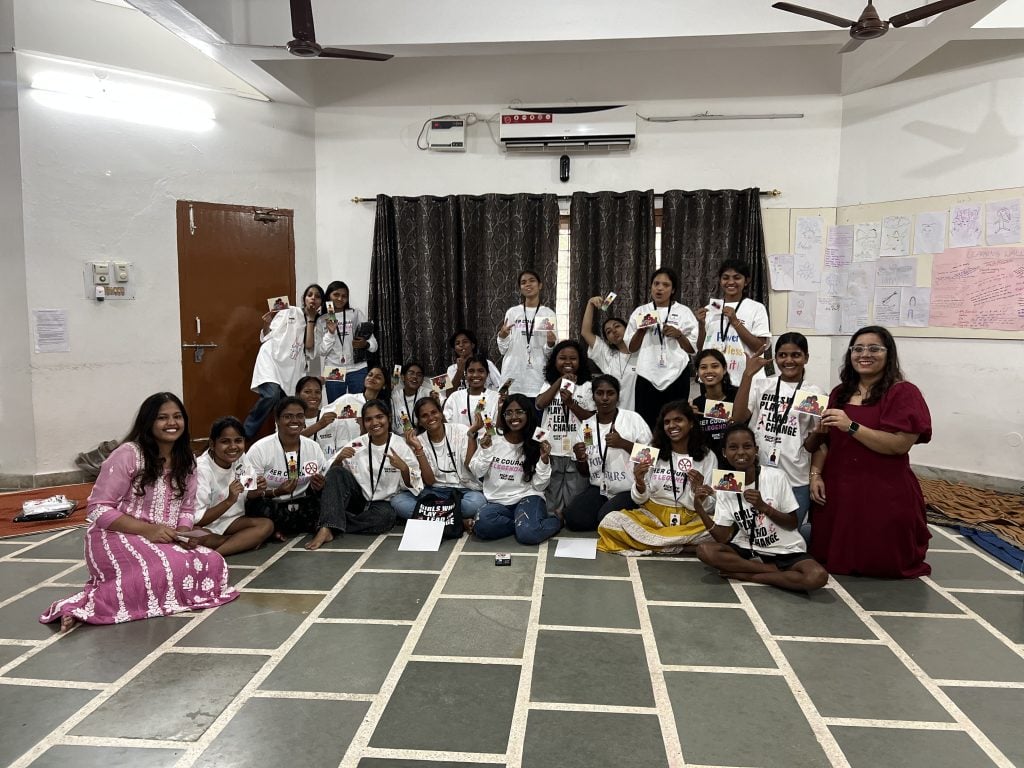
For example, in our engagement with KickOff Solutions, the girls leaders expressed that they were commonly facing violence within situations which were beyond the purview of their engagement with the organisation. Therefore, it became clear that safeguarding could not be contained within the boundaries of a single programme or partner mandate. Accordingly, we recommended that KickOff Solutions reiterate the importance of strengthening external referral pathways, build alliances with local child protection authorities, and create networks of trusted community leaders who could provide additional layers of safety.
Our engagement with our partner organisations has reaffirmed our beliefs and demonstrated that safeguarding practices are successful when they are inclusive, rooted in contextual realities, decentralised in ownership, and collaborative.
“What stood out most was their ability to create a safe, open space where our girls could share, reflect, ask questions and voice their concerns with confidence. Uttanshi and her team led the sessions with clarity, empathy, and inclusivity, weaving our goals into their approach and inspiring genuine participation.” – Poonam Chakraborty, KickOff Solutions
If you are an organisation eager to strengthen your commitment to safeguarding, set up a free 30-minute consultative call at info@onefuturecollective.org.